
Artisan Ceramics vs. Mass Production: What Makes the Difference?
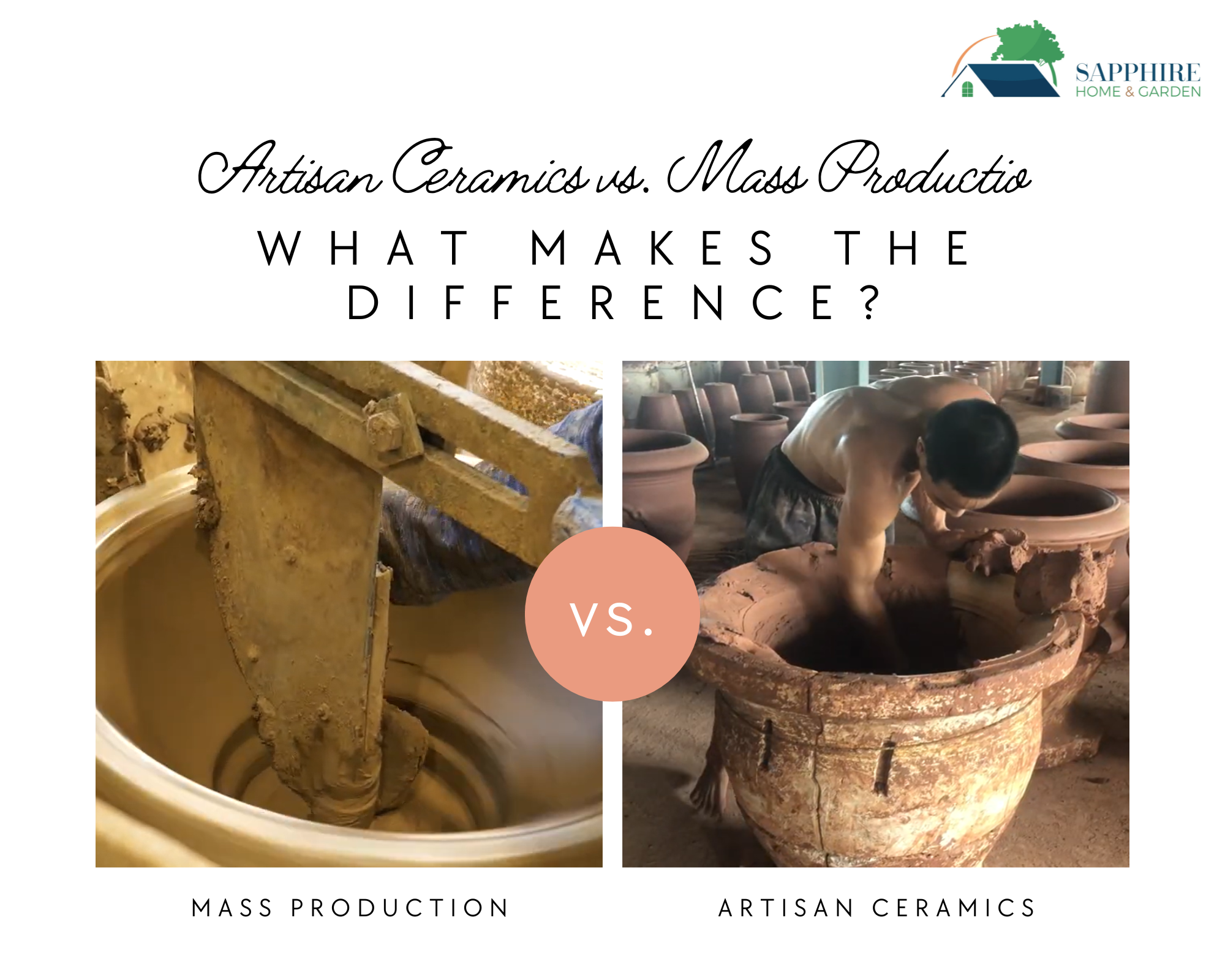
In today’s global market, ceramic products are available in a wide range of styles, prices, and production methods. Two common categories stand out: artisan ceramics and mass-produced ceramics. While both serve functional purposes, the difference lies in quality, character, and long-term value.
Understanding these differences helps customers make informed decisions – especially when choosing ceramic products for outdoor spaces, landscape projects, or premium environments.
Craftsmanship vs. Automation
The most fundamental difference between artisan ceramics and mass production is how each piece is made.
Artisan ceramics are:
-
Handcrafted by skilled artisans
-
Shaped, finished, and glazed individually
-
Influenced by human touch and experience
Mass-produced ceramics are:
-
Manufactured using molds and automated processes
-
Designed for speed and uniformity
-
Produced in large quantities with minimal variation
This difference in craftsmanship directly impacts the final product’s quality and appearance.
Uniqueness and Character
One of the strongest advantages of artisan ceramics is their uniqueness. No two handcrafted pieces are exactly the same. Subtle variations in shape, texture, and glaze create character and authenticity.
Mass-produced ceramics, on the other hand, are identical by design. While consistency can be useful for certain applications, it often lacks the warmth and individuality that handcrafted ceramics provide.
For customers seeking distinctive design elements, artisan ceramics offer a level of originality that machine-made products cannot replicate.
Material Selection and Quality Control
Artisan ceramic production typically involves:
-
Careful selection of raw materials
-
Small-batch production with close attention to detail
-
Hands-on quality control at every stage
In mass production, materials and processes are optimized for efficiency and cost. While this allows for lower prices, it may also result in thinner walls, lighter structures, and reduced durability—especially for large ceramic planters used outdoors.
Durability and Long – Term Value
Handcrafted ceramic products are often thicker, stronger, and fired with greater care. This makes them:
-
More stable for large plants and trees
-
Better suited for long-term outdoor use
-
Less prone to deformation over time
Although mass-produced ceramics may have a lower initial cost, artisan ceramics often offer greater long-term value due to their durability and timeless design.
Design Flexibility and Customization
Artisan ceramics allow for:
-
Custom shapes, sizes, and finishes
-
Unique glaze effects and surface textures
-
Adaptation to specific project requirements
This flexibility is especially important for hotels, resorts, landscape architects, and commercial projects that require distinctive solutions. Mass production, by contrast, is limited to fixed designs and standard specifications.
Aesthetic Impact in Outdoor and Premium Spaces
In outdoor and architectural settings, ceramic planters are not just functional – they are part of the visual identity of a space. Artisan ceramics bring:
-
Depth, texture, and natural beauty
-
A handcrafted look that elevates the environment
-
A sense of authenticity and craftsmanship
Mass-produced products often serve practical needs but may lack the visual presence required for premium outdoor spaces.
Sustainability and Responsible Production
Artisan ceramic production is often more aligned with sustainable values:
-
Smaller production batches
-
Reduced material waste
-
Long-lasting products that minimize replacement
Choosing handcrafted ceramics supports traditional craftsmanship while contributing to more responsible consumption.
Related posts
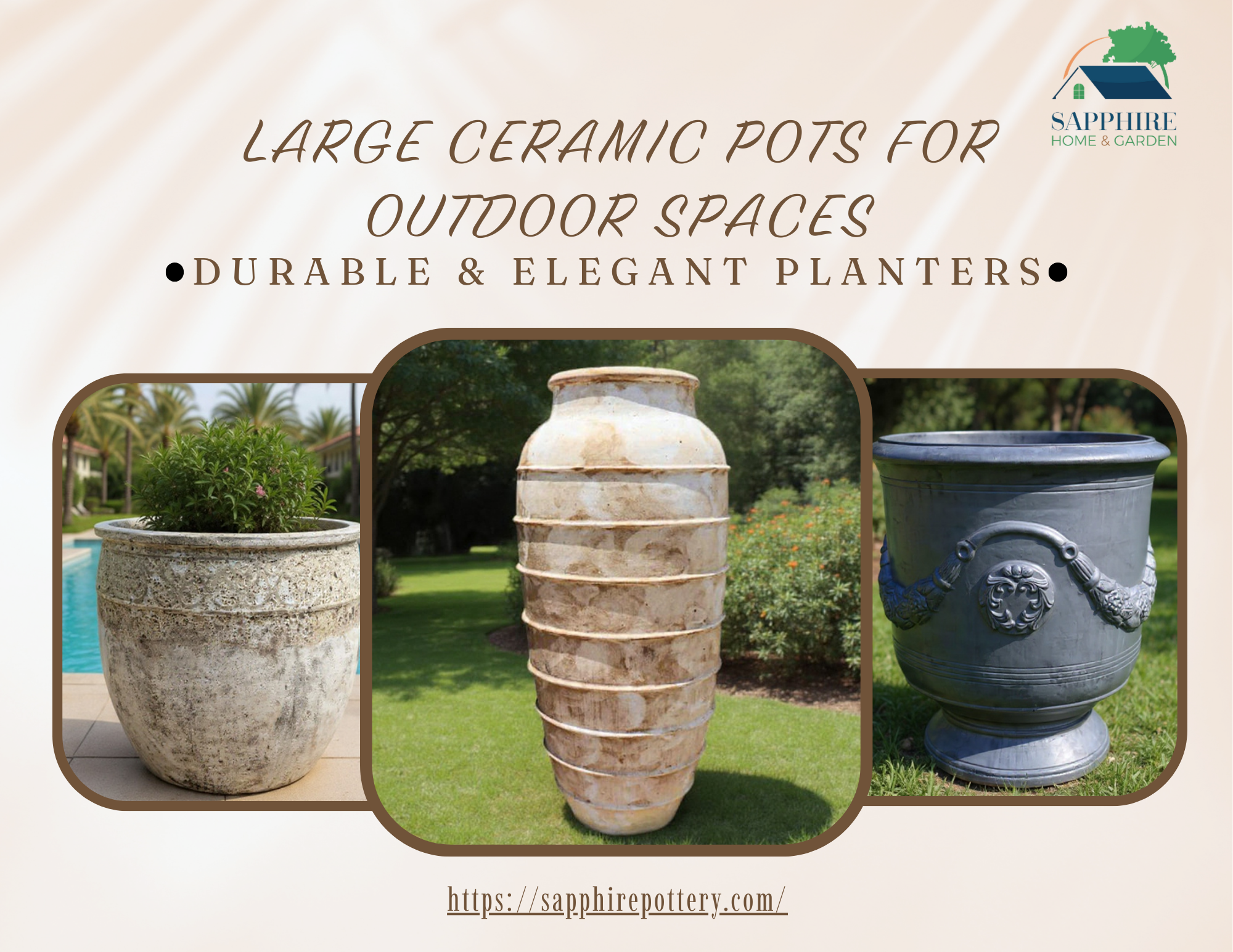
Large Ceramic Pots for Outdoor Spaces | Durable & Elegant Planters
Why Large Ceramic Pots Are Ideal for Outdoor Spaces Outdoor spaces deserve planters that are not only functional but also visually impactful. Large ceramic pots have become a preferred choice for gardens, patios, resorts, hotels, and landscape projects thanks to their durability, plant-friendly properties, and timeless design. Whether for residential use or commercial outdoor projects,…
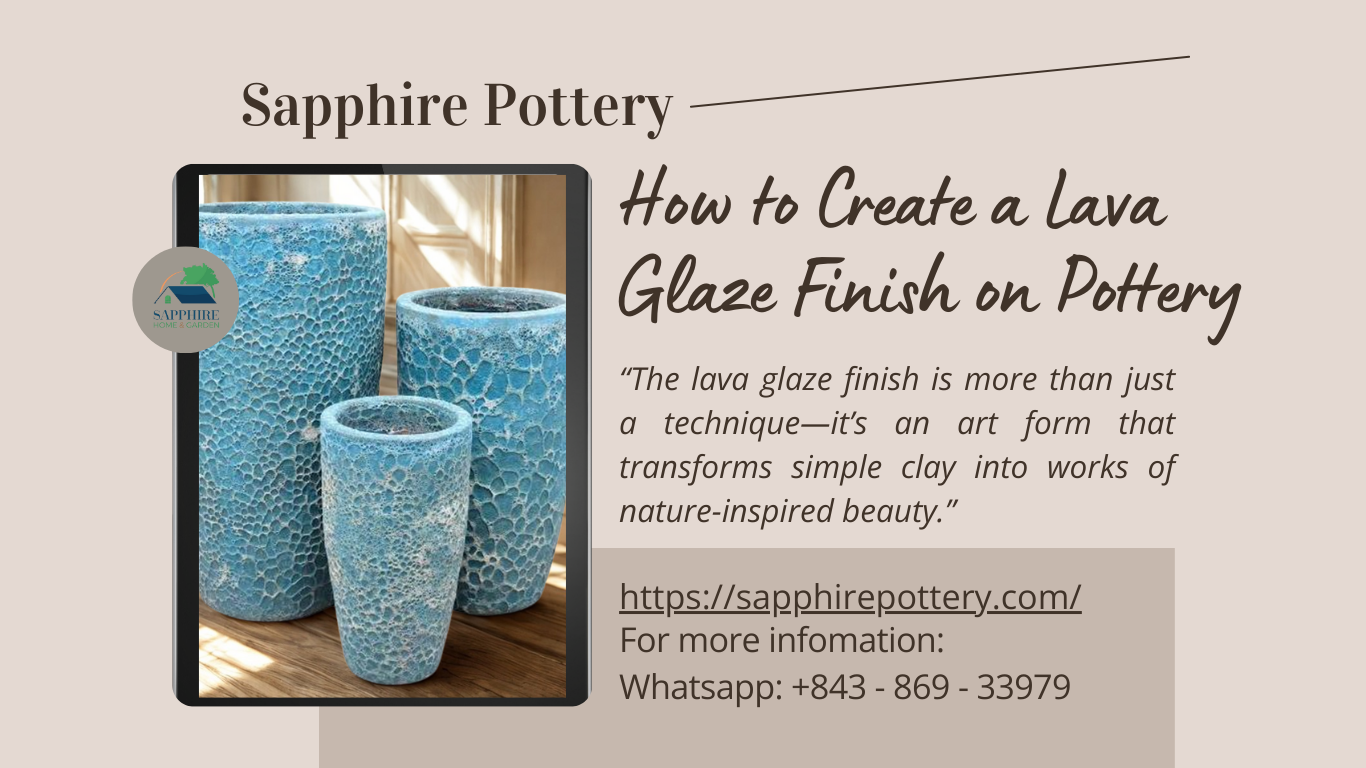
How to Create a Lava Glaze Finish on Pottery
The lava glaze finish has become one of the most striking and popular surface effects in modern ceramics. With its unique texture that resembles molten rock and volcanic stone, lava glaze not only enhances the beauty of pottery but also adds a dramatic, natural charm that captivates collectors, designers, and garden enthusiasts alike. In this…

Partnership Opportunity – Distributing SAPPHIRE Pots
We are SAPPHIRE HOME & GARDEN VIETNAM, a leading manufacturer and exporter of high-quality ceramic pots.We are looking for strong and reliable partners to distribute our products in your market. With our wide range of designs, competitive pricing, and proven export experience, we believe our products will add value to your portfolio and meet the…
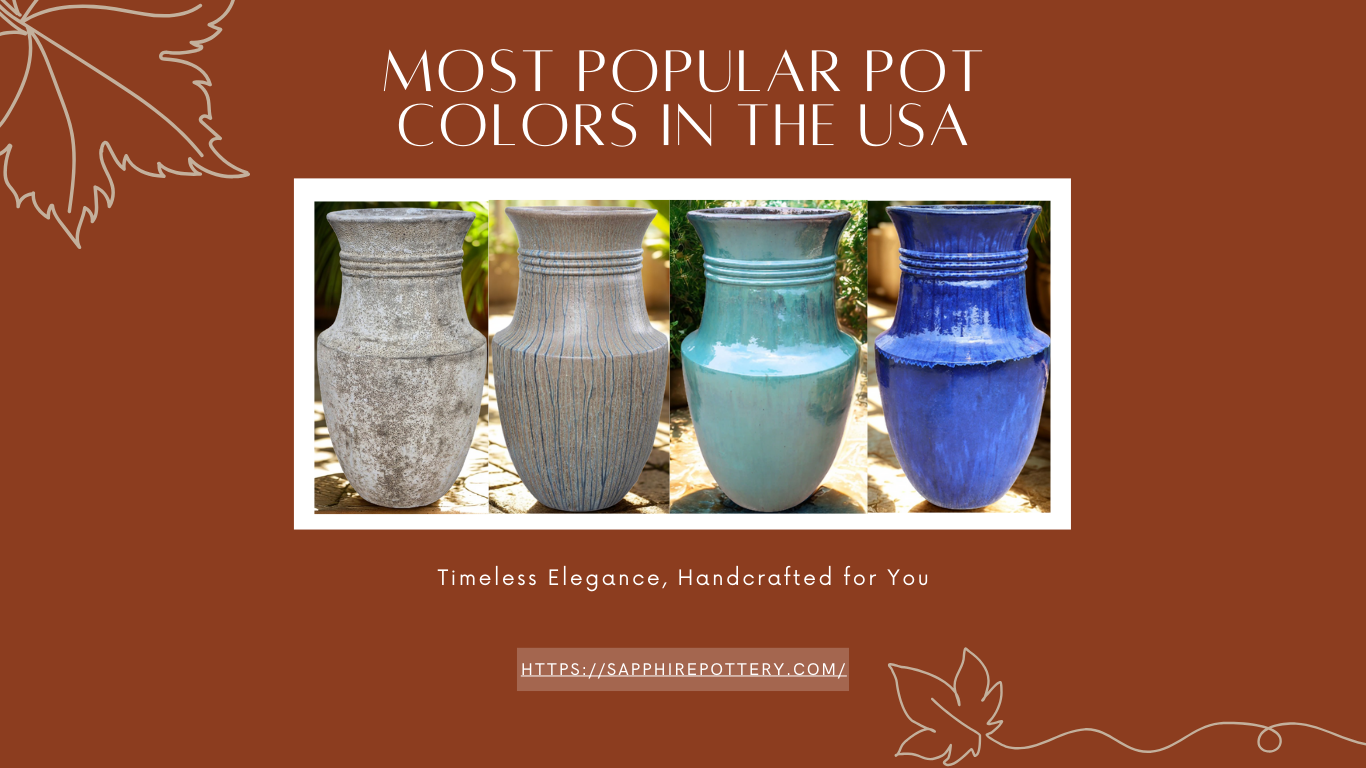
Most Popular Pot Colors in the USA
1. Timeless Neutrals (Best-Selling All Year) White / Off-White – clean, modern, fits any décor style. Gray / Charcoal – sleek, contemporary, popular for minimalism. Beige / Sand – warm and natural, blends with outdoor landscapes. Black / Matte Black – bold yet versatile, works well indoors and outdoors. 2. Earthy & Natural Tones (Loved…
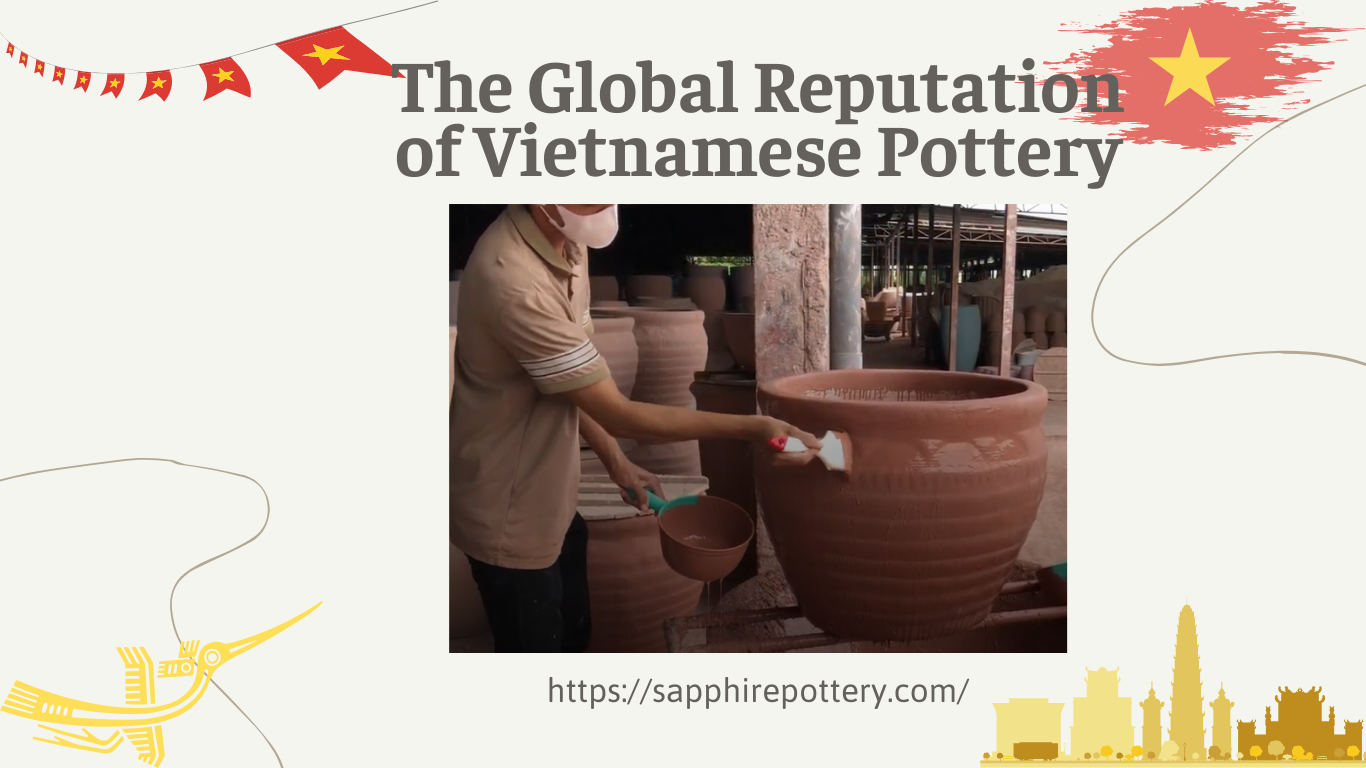
The Global Reputation of Vietnamese Pottery
Vietnamese pottery has earned a strong reputation in the international market thanks to its unique blend of traditional craftsmanship and modern creativity. Centuries-Old Heritage With a history dating back over 1,000 years, Vietnamese pottery is rooted in rich cultural traditions, passed down through generations of skilled artisans. Famous pottery villages such as Bát Tràng, Phù…
The Importance of Combining Shape and Color in Pottery
The Importance of Combining Shape and Color in Pottery Creates a Strong Visual Impact Shape gives the pot its form, while color brings it to life. A well-matched shape and color combination can instantly catch the buyer’s attention and make the piece memorable. Enhances Style & Theme Classic shapes often pair beautifully with neutral or…